ACHA undertakes a broad based lobby and advocacy agenda and strategy with the intention of improving policies formulation and legislative enactment by the Governments in Africa, raising awareness on issues pertinent to the fulfillment of ACHA’s objectives and affecting social change through press releases, press conferences, news articles, media campaigns, face-to-face meetings with decision makers, informal contacts at receptions, and working visits with decision-makers.
ACHA engages governments and development partners to integrate health in environment and climate policies and guidelines through meaningful engagement of policy makers and decision makers in policy reviews and formulations for the resilience of health sector from climate and environmentally-induced disasters.
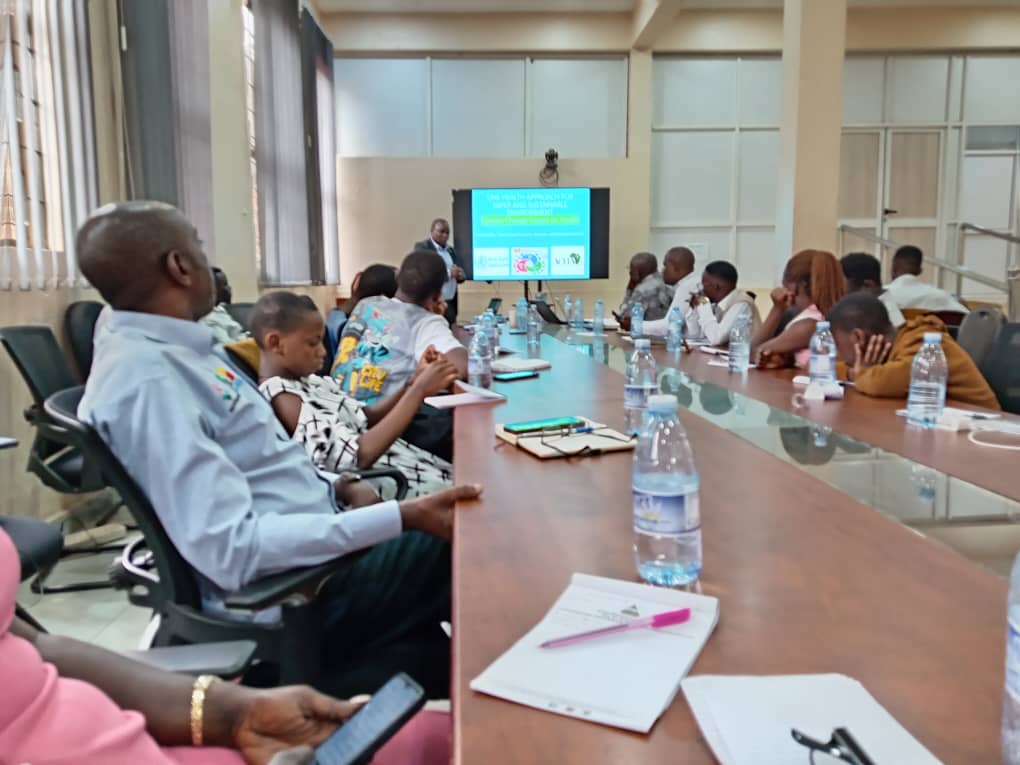
In order to bridge the skills and knowledge gap on Environment, Climate and Health nexus, ACHA has established a Training centre to empower Health and Environment professionals, Government officials, Civil society organizations officials, private sector and development partners.
The centre delivers in-country and cross-country programs geared towards strengthening and empowering stakeholders to effectively develop, program and design climate-resilient and environmental conservation interventions and policy agenda for biodiversity protection, addressing impact of pollution, nature conservation, Health and Environment systems strengthening. The training Centre is physically hosted by government of Uganda in Kampala and cross-country trainings are conducted in South Africa, Ethiopia, Zimbabwe, Ghana, Rwanda, Botswana, Kenya and Malawi
ACHA prioritizes evidence generation as key to influencing decision making. Africa has a huge gap in generating quantifiable climate, environment and health data which is critical in developing policies and generating resources for program development.
ACHA investigates the health impact of climate change and generates evidence to build climate resilience of communities and health systems from environmentally and climate-induced disasters such as flooding, drought and famine leading to food insecurity and disease incidences which have led to loss of lives and health infrastructures. ACHA analyses how extreme weather patterns, disease vectors, food insecurity and human activities impact human health, health systems and nature. Key research areas:
ACHA promotes environmental and biodiversity conservation with ecosystem restoration. Noting the human activities have greatly impacted nature, our approach is community and user-focused to ensure the interventions to conserve nature and biodiversity are sustainable and owned by communities.
ACHA promotes Nature-Based Solutions through engaging governments to develop policies and design programs that restore nature. ACHA promotes regenerative and climate smart agriculture to ensure communities are safe from food insecurity and disease burden.
Pollution is a leading environmental health risk.Understanding and reducing the harm from pollution on the health of humans and the environment by redesigning business models and processes to reduce air, ocean, and land pollution, support health, and build more resilient economies.According to WHO,Pollution causes an estimated nine(9) million premature deaths each year each year, linked to fossil fuel burning, vehicle emissions, lead exposure, contaminated water, coal-fired power plants, wildfire smoke, and more. Its health impacts are extensive, including respiratory and cardiovascular disease, neurotoxicity, cognitive impairment, and cancer.
ACHA engages governments, non-state actors and development partners to address pollution impact on health through policy reviews and guidelines development. The major focus on addressing Pollution include;